






Article Contents
What Is a Pick-to-Light System?
A pick-to-light system is a paperless picking method that uses illuminated indicators, LED lights or alphanumeric displays at each pick location to guide a worker directly to the item and quantity needed for an order. Instead of consulting a printed pick list or a handheld scanner screen, the picker simply follows the lights.
The core components are straightforward:
- Light modules mounted at each SKU location, wired or wirelessly connected to a controller
- A display showing the exact quantity to pick
- A confirmation button the picker presses once the pick is complete
- A warehouse management system (WMS) or PLC-based controller that triggers the correct lights for each incoming order
Because the system removes manual list-reading from the picking process, it consistently ranks among the fastest and most accurate picking methods available for zone-based fulfillment operations.
How Does a Pick-to-Light System Work?
A typical pick-to-light workflow in an e-commerce fulfillment center runs in a predictable sequence:
- A tote arrives at the pick station, typically carried in on an accumulation conveyor that buffers totes so the pick station never sits empty or gets flooded faster than a picker can work.
- The WMS identifies the order and illuminates lights at every SKU location the order requires.
- The picker retrieves each item, checks the lit quantity display, and presses the confirmation button at each location.
- The tote releases to the next zone, whether that's an additional pick zone, a sorting and merging conveyor system routing it toward packing, or directly to a packing station.
- Inventory updates in real time as each confirmed pick is logged back to the WMS.
Multiple pickers can work the same pick module simultaneously, each responding to their own lit sequence, which is part of why pick-to-light systems support high order volumes without adding proportional headcount.
Pick-to-Light in Warehouse and Manufacturing Operations
A pick-to-light system in warehouse environments is most common in zone-based e-commerce fulfillment, where a high volume of orders draws from a fixed, high-frequency set of SKUs. Flow racks, shelving, and tote-based pick modules all support light integration.
A pick-to-light system in manufacturing settings looks a little different. Instead of order picking for shipment, lights often guide kitting and assembly line feeding, directing an operator to pull the correct component and quantity for the next unit in a build sequence. The underlying mechanism, illuminated location plus confirmed quantity, is the same; the trigger is a production schedule instead of a customer order.
In both settings, the technology performs best where SKU velocity is high and pick locations are fixed. Facilities with constantly shifting layouts or highly variable, low-frequency SKUs see a smaller return, since the light infrastructure is tied to physical locations.

Pick-to-Light vs. RF Scanning, Voice Picking, and Pick-by-Vision
Pick-to-light is one of several picking technologies, and it isn't automatically the right fit for every operation. Here's how it compares:
- RF scan-and-pick: Workers use a handheld scanner to confirm each pick against a digital pick list. It's flexible and requires less fixed infrastructure than pick-to-light, but it's generally slower because the worker has to read a screen for each pick.
- Voice picking: Workers wear a headset and confirm picks verbally. It's hands-free, like pick-to-light, and works well in cold storage or in areas where lighting fixtures are impractical, but training and accent recognition can slow initial adoption.
- Pick-by-vision: Smart glasses overlay pick instructions directly in the worker's field of view. It offers similar hands-free benefits to voice picking, with a visual cue instead of an audio one, though the hardware cost per worker is typically higher than with pick-to-light.
Pick-to-light generally delivers the highest pick-rate accuracy, often quoted at 99.9% or better, and the fastest raw pick speeds, in the range of 200 to 500 picks per hour, depending on SKU density and travel distance. The trade-off is that it requires dedicated, fixed infrastructure at each pick location. That makes it most cost-effective for high-frequency SKUs in a stable, zone-based layout, and less suited to operations with constantly changing product mixes or pick locations.
What Does a Pick-to-Light System Cost?
There's no single number that applies across facilities, and any quote that doesn't account for your specific setup should be treated with caution. A pick-to-light system cost is driven by several variables:
- The number of light modules required, which scales directly with SKU count and pick locations
- Integration complexity with the existing WMS, since the light controller has to communicate accurately with inventory and order data
- Conveyor integration to deliver totes to and from the pick station reliably, which is often the piece facilities underbudget
- Facility layout, since retrofitting an existing pick area costs differently than designing pick stations into a new build
Because these variables move independently for every facility, an accurate cost estimate has to start with a site-specific scope conversation rather than a published price list.
Why Conveyor Design Determines Pick to Light Performance
Pick-to-light hardware only performs as well as the material-handling system feeding it. An e-commerce pick-to-light system is only as fast as the tote delivery moving product to and from the pick station. If conveyor pacing can't keep up, pickers stand idle waiting for the next tote. If a transfer point jams, that delay cascades into every pick station downstream.
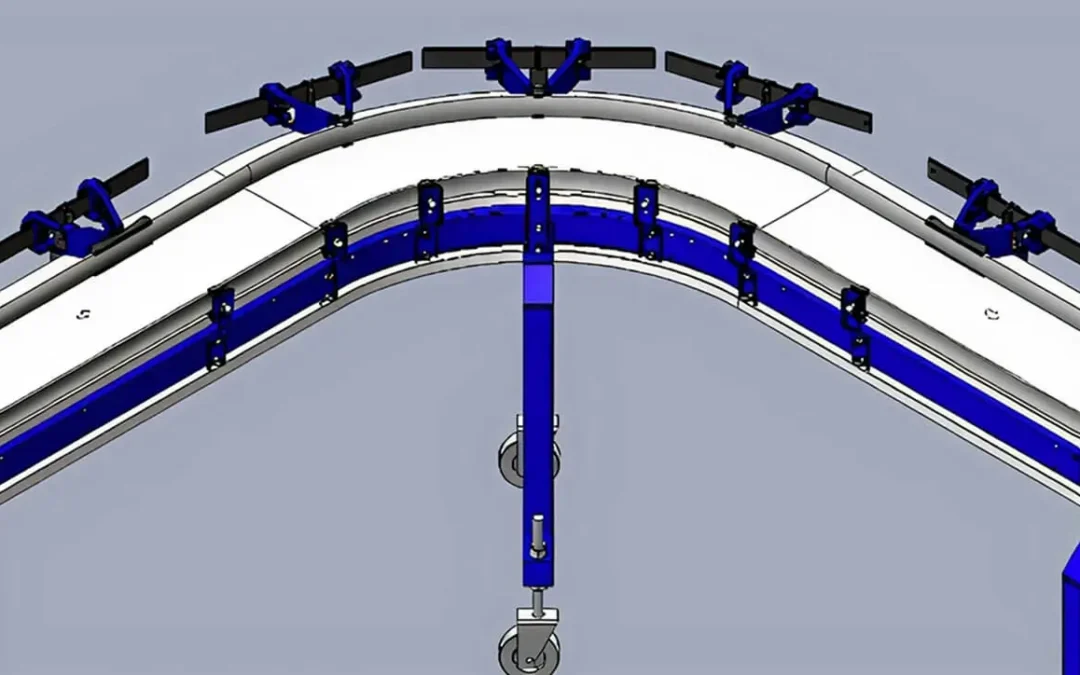
This is where conveyor design becomes part of the pick-to-light conversation instead of an afterthought. Retractable conveyors route totes into the correct pick zone at a 90-degree transfer and pull them out again the moment a pick completes, keeping the station fed without manual intervention. Power diverting conveyors sort totes smoothly between lanes using a powered face plow rather than a static divert rail, which reduces the jams and misalignments that create picker idle time in the first place.
For e-commerce fulfillment operations evaluating pick-to-light, the conveyor line feeding each station deserves the same scrutiny as the light hardware itself. For more on how conveyor sortation supports high-volume e-commerce order flow generally, see how conveyor sortation systems support e-commerce businesses.
Contact Span Tech About Our Conveyors for Pick-to-Light Systems
Ready to evaluate whether your fulfillment line can support pick-to-light at full speed? Talk to a Span Tech engineer about the conveyor systems that keep pick stations fed and picks moving.
Frequently Asked Questions
Is pick-to-light better than voice picking or RF scanning?
It depends on the operation. Pick-to-light generally offers faster raw pick speeds and higher accuracy in stable, high-frequency pick zones. RF scanning offers more flexibility with less fixed infrastructure, and voice picking works well in environments like cold storage, where lighting hardware is harder to maintain.
How does pick-to-light integrate with a warehouse management system (WMS)?
The WMS sends order data to the pick-to-light controller, which illuminates the correct locations and quantities for each incoming order. As pickers confirm each pick, that data flows back to the WMS in real time to update inventory and order status.
Does pick-to-light work with a PLC-based control system?
Yes. Many pick-to-light installations run on a programmable logic controller (PLC) rather than, or alongside, WMS integration, particularly in manufacturing kitting and assembly applications where the trigger is a production schedule instead of a customer order.
What's the typical ROI timeline for pick-to-light?
ROI timelines vary by facility based on order volume, labor cost, and existing error rates, so there's no universal figure. Operations with high-frequency SKUs and significant existing picking errors or labor costs tend to see a faster return than lower-volume or highly variable operations.